
Cooling Paint Solutions for Singapore’s Climate
Cooling paint is designed to reduce surface heat, improve indoor comfort, and lower cooling demand in buildings exposed to strong sunlight and prolonged heat. In Singapore’s hot and humid climate, cooling paint is increasingly used on roofs, walls, and industrial surfaces to manage heat more efficiently and reduce energy consumption.
At Delta Sirius, we provide advanced cooling paint Singapore solutions engineered for long-term performance—not just surface-level heat reduction.
What is Cooling Paint?
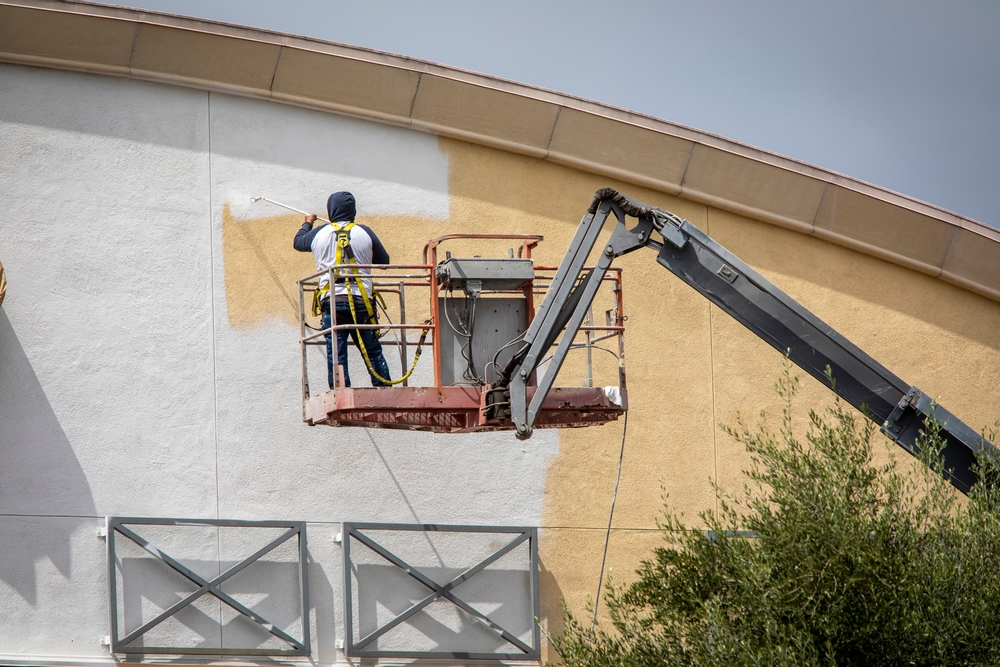
Cooling paint refers to specialised coatings that help manage heat on building surfaces. Traditional cooling paints often referred to as cool coat paint or cool paint Singapore products, primarily work by reflecting solar radiation to reduce heat absorption during peak sunlight hours. While this approach can lower surface temperatures initially, performance may diminish once heat is absorbed into concrete, metal, or structural materials.
Cooling paint is widely applied across different building types, including: commercial and industrial facilities, warehouses and factories, office buildings, residential properties, metal roofs and concrete walls, etc. In Singapore, cooling paint is often evaluated based on its ability to reduce heat gain, durability under humidity, and long-term effectiveness.
Delta Sirius offers an advanced cooling paint that dissipates heat rather than simply reflecting it, helping prevent heat from being trapped and reradiated into the surrounding.
Types of Cooling Paint
Elastomeric Coatings
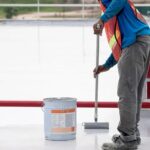
Elastomeric cooling coatings are flexible, rubber-like paints designed to create a protective waterproof layer. They offer moderate solar reflectivity and are commonly used on roofs to reduce surface heat gain while improving weather resistance.
Acrylic Cooling Paint
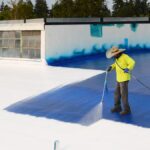
Acrylic-based cooling paints are widely used for their affordability and ease of application. They reflect a portion of solar radiation and are suitable for residential and light commercial projects. However, performance may reduce over time with prolonged UV exposure.
Ceramic-Based Paint
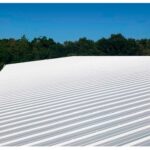
Ceramic cooling paints contain microscopic ceramic particles that help reflect sunlight and reduce heat absorption. They are often marketed as energy-saving coatings and are suitable for both walls and roofs.
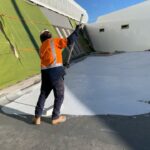
Cementitious Coating
Cement-based cooling coatings are typically thicker applications used on concrete roofs and industrial surfaces. They provide surface protection and some thermal reduction but primarily rely on reflectivity rather than active heat release.
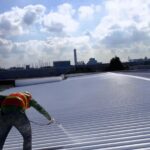
Heat Dissipating Paint
Heat dissipating paint represents the next evolution of cooling technology. Instead of only reflecting sunlight, this advanced formulation actively releases stored heat from the surface, preventing heat build-up and reducing long-term thermal retention.
The Limitation of Conventional Cool Coat Paint
Most cool coat paint products focus on heat reflection. While effective under direct sunlight, reflective cooling paint has limitations:
- Reduced effectiveness once heat is absorbed
- Limited impact on shaded or partially shaded surfaces
- Does not actively release stored heat from walls or concrete
- Heat can continue radiating indoors after sunset
For tropical environments where heat accumulates throughout the day, reflection alone may not provide sustained cooling, making heat dissipation essential for maintaining lower surface temperatures even after peak sun exposure.
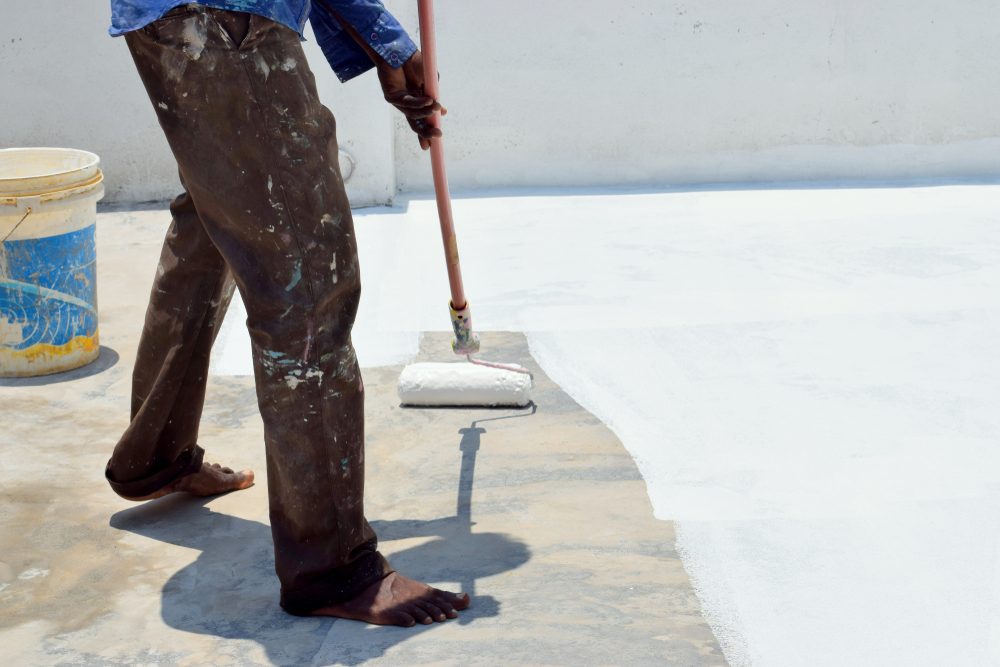

NeoCOAT: A Smarter Cooling Paint
NeoCOAT by Delta Sirius is not just another cool paint Singapore solution. It is an advanced heat-dissipating cooling paint designed to manage heat more effectively over time. Instead of relying solely on reflection, NeoCOAT:
Actively dissipates absorbed heat and turn to kinetic energy
Reduces long-term heat retention in surfaces
Maintains more stable surface temperatures
Improves indoor comfort beyond peak sun hours
Cooling Paints Comparison
| Performance Aspect | Heat Dissipating Paint (NeoCoat) | Elastomeric Coating | Acrylic Cooling Paint | Ceramic-Based Paint | Cementitious Coating |
|---|---|---|---|---|---|
| Primary Function | Actively dissipates stored heat | Reflects solar heat + waterproofing | Reflects solar radiation | Reflects heat using ceramic microspheres | Reflective + protective layer |
| Flexibility | Moderate | High (elastic, crack-bridging) | Moderate | Moderate | Low |
| Effect After Heat Absorption | Highly effective | Limited | Limited | Moderate | Limited |
| Effectiveness on Walls & Concrete | Strong | Good | Moderate | Good | Moderate |
| Indoor Comfort Improvement | Sustained cooling effect | Short to mid-term | Short-term | Moderate | Moderate |
| Durability in Tropical Climate | Ideal | Good | Moderate | Good | Moderate |
| Maintenance Frequency | Low | Moderate | Moderate to High | Moderate | Moderate |
| Best Application Areas | Roofs, walls, factories, warehouses | Roofs, waterproofing surfaces | Residential roofs & walls | Industrial & commercial roofs | Concrete slabs & industrial roofs |
| Suitability for Singapore Climate | Optimised for tropical climates | Suitable | Suitable | Suitable | Suitable |

Cooling Paint Cost: What Should You Consider?
When evaluating cool paint cost, it’s important to look beyond upfront pricing. While standard cooling paint may appear more affordable initially, long-term performance and durability can significantly impact overall value.
Factors that influence cooling paint cost include:
-
Type of cooling technology (reflective vs dissipating)
-
Surface area and substrate type
-
Application method and durability
-
Long-term energy savings potential
NeoCOAT is designed to deliver better long-term value by reducing heat retention and supporting sustained cooling performance, making it a cost-effective solution over time.
Why Choose NeoCOAT Cooling Paint in Singapore?
NeoCOAT by Delta Sirius is engineered specifically for hot, humid, and high-wear environments. It goes beyond traditional cooling paint Singapore options by addressing the root issue, heat buildup within building surfaces.
Frequently Asked Questions
Cooling paint improves thermal comfort in commercial buildings by reducing the amount of heat absorbed and re-radiated from walls and roofs. The cooling paint we use NeOCOAT, it dissipates thermal energy by converting absorbed heat into kinetic energy, allowing surfaces to stay significantly cooler. This helps maintain more stable indoor temperatures, reduces air-conditioning load, and creates a more comfortable environment for occupants.
It is designed for high solar exposure, making it ideal for Singapore’s tropical climate. It provides improved thermal insulation, longer-lasting colour, reduced material stress, and better protection against humidity and UV damage. When applied to commercial roofs or façade areas, it helps extend surface lifespan and improves building-wide energy performance.
You can source professional cooling paint from suppliers like Delta Sirius, who provide commercial-grade coatings tailored for local climate conditions. These paints are available alongside primers, sealers, and performance coatings ensuring the right match for offices, hospitals, logistics buildings, retail centres, and more. All products come with documentation, technical support, and compliance guidance.
It is widely used for commercial offices, retail buildings, industrial warehouses, BTO housing developments, and large-scale public facilities. It helps reduce heat gain on external surfaces, supports BCA Green Mark compliance, and offers long-term durability making it a preferred option for developers, FM teams, architects, and contractors.
It depends on several factors: surface size, substrate type, performance rating, environmental requirements, and whether primers or specialized coatings are needed. Bulk orders for large commercial sites often benefit from better cost efficiency. Technical assessments and specification reviews ensure you get the most accurate pricing based on actual site needs.