
Blog
Concrete Roof Cooling Singapore: How NeoCOAT Stops Heat and Cracking

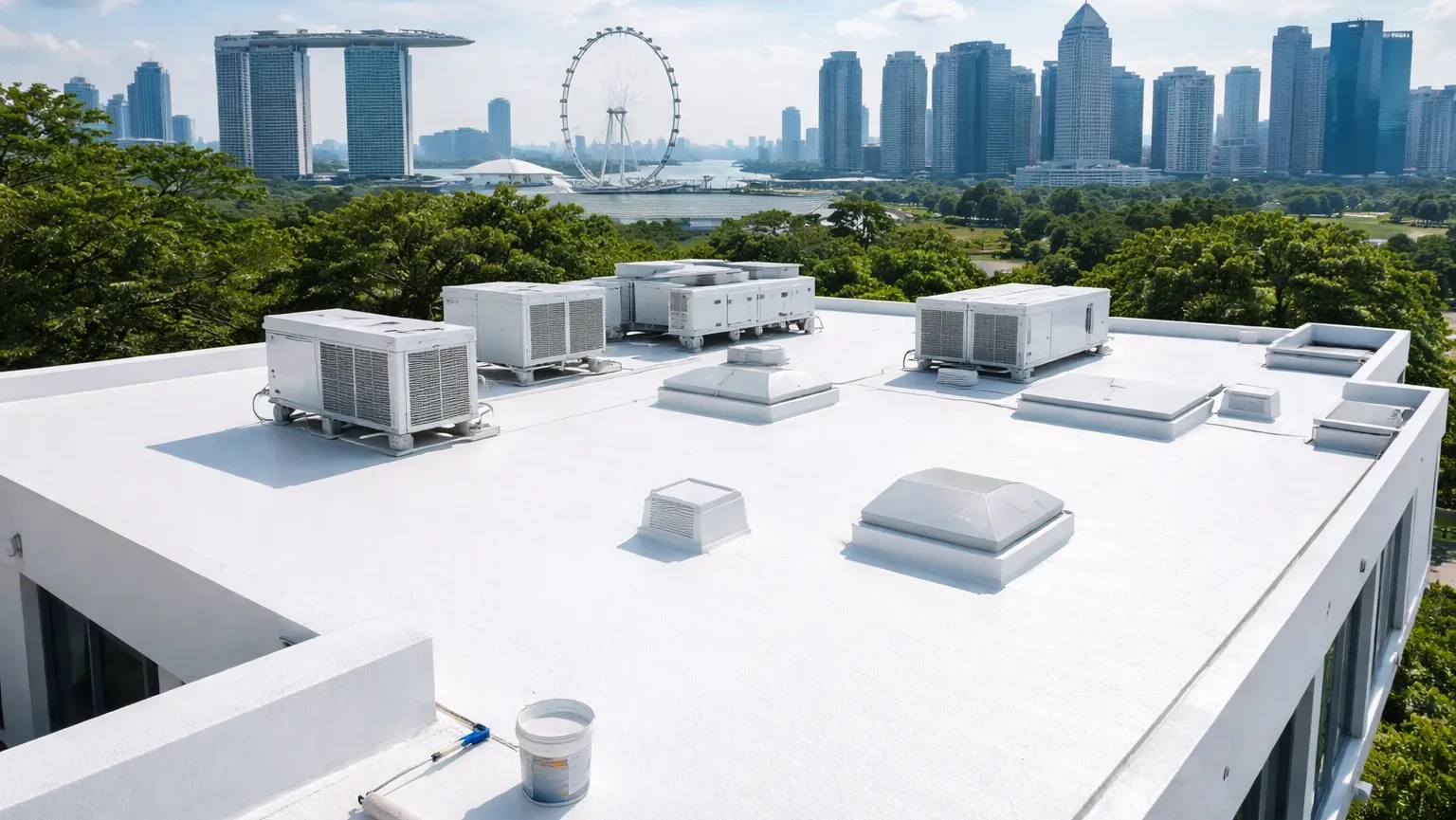
Table of Contents
Concrete Roof Cooling Singapore solutions have become essential as tropical heat drives surface temperatures beyond 50°C on exposed concrete surfaces. Prolonged heat exposure accelerates material deterioration and increases cooling demand within buildings.
Advanced coatings such as NeoCOAT aim to improve thermal performance by enhancing how heat is reflected and dissipated at the surface. Controlled tests and field applications have reported temperature reductions of around 10°C under certain conditions, although results vary depending on site environment and installation quality.
This guide addresses the practical aspects of concrete roofing thermal management in Singapore’s climate. It covers common causes of heat build-up and cracking, essential surface preparation techniques, moisture control protocols, and how NeoCOAT supports a cooler, more durable roof system. Property owners will find actionable steps to help protect their concrete structures from heat-related deterioration while improving overall energy efficiency.
Common Causes of Heat Build-Up and Cracking in Concrete Roofing
Solar radiation through rooftops contributes significantly to building heat gain, with studies showing that roofs can account for up to 5% to 10% of total building energy use depending on design and exposure. In dense urban environments such as Hong Kong, air-conditioning alone can account for approximately 30% of total electricity consumption. In Singapore’s tropical climate, field measurements have shown that exposed roof surface temperatures can exceed 60°C under direct solar radiation.
Concrete roofing possesses high thermal mass, meaning it absorbs and stores substantial heat energy during the day and releases it slowly over time. This delayed heat release contributes to elevated indoor temperatures even after sunset. Temperature differences between exposed and internal concrete surfaces create thermal gradients, which are a known driver of internal stress development.
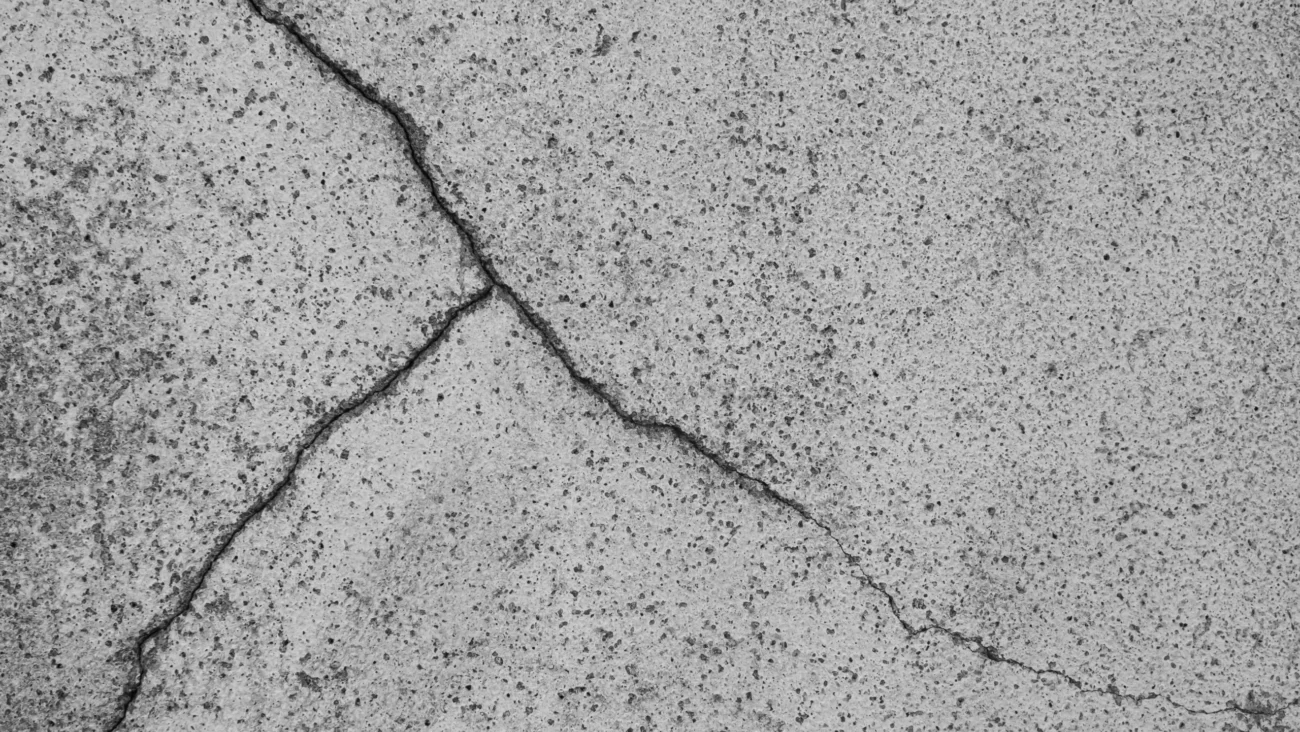
Thermal cracking occurs when temperature-induced expansion and contraction are restrained. According to concrete design guidelines, repeated heating and cooling cycles generate tensile stresses, and when these exceed the tensile strength of concrete, cracking occurs. This process is cumulative and worsens over time with continued thermal cycling.
Ultraviolet (UV) radiation contributes to material degradation by breaking down surface compounds and increasing permeability, which allows moisture ingress and accelerates deterioration. Additionally, the heat of hydration during cement curing can raise internal concrete temperatures, creating early-age thermal gradients and internal stress formation.
These combined effects create microcracks and pathways that allow water penetration. In humid environments such as Singapore, persistent moisture exposure accelerates deterioration mechanisms including cracking, biological growth, and reinforcement corrosion.
Essential Surface Preparation and Moisture Control Steps
Coating performance depends heavily on proper surface preparation, particularly in humid climates like Singapore where moisture can significantly affect adhesion. The substrate must be clean, sound, and free from contaminants such as grease, oil, dust, and laitance, all of which can compromise bonding.
Concrete surfaces often exhibit efflorescence, visible as white salt deposits formed by moisture movement within the material. These deposits should be removed through mechanical cleaning or appropriate surface treatment, followed by thorough rinsing to eliminate any residues that may interfere with coating adhesion.
Moisture within concrete is a critical consideration. Newly cast slabs retain substantial internal moisture and require sufficient time to dry. If not properly managed, this moisture can migrate to the surface after coating application, leading to defects.
All surface defects must be addressed before coating. Spalled or unsound areas should be removed to expose a stable substrate, and cracks should be properly treated to prevent further propagation and moisture ingress. Crack repair should be based on their condition and potential movement rather than a fixed width threshold.
The substrate must be adequately dry prior to coating application. Moisture testing is recommended to verify that internal moisture levels are within acceptable limits for the selected coating system. Excess moisture can lead to common failures such as blistering, delamination, and loss of adhesion.
NeoCOAT’s Role in Creating a Cooler, More Durable Roof System
In Singapore’s hot and humid climate, roof surfaces are exposed to intense sunlight almost every day of the year. This constant heat build-up can drive indoor temperatures higher, increase reliance on air-conditioning, and place added stress on the roof over time. Repeated heating and cooling also contributes to expansion and contraction in concrete surfaces, which can worsen cracking and accelerate deterioration.
NeoCOAT is especially suitable for concrete roofing, where trapped heat can contribute to surface fatigue, waterproofing stress, and long-term maintenance issues. By moderating roof temperature, the coating helps support a more stable roof system and reduces the impact of daily thermal cycling caused by Singapore’s harsh weather conditions. This makes it a practical option for commercial, industrial, and residential properties seeking longer-lasting roof protection.
The coating is water-based, low in VOCs, and suitable for application on properly prepared concrete, metal, and existing waterproofing substrates. Once applied, it forms a seamless protective layer that supports a broader roof maintenance or upgrading strategy, helping building owners enhance roof durability and overall performance in Singapore’s tropical climate.
Conclusion
Singapore’s tropical climate places concrete roofing under constant thermal stress, accelerating heat build-up, material movement, and long-term deterioration. With proper surface preparation and moisture control, NeoCOAT offers a practical way to reduce roof temperatures while supporting a more stable and durable roof system. Beyond improving thermal performance, it can also help reduce cooling demand, protect waterproofing integrity, and extend the service life of the roof. For property owners in Singapore, this makes NeoCOAT a valuable solution for creating a cooler, more resilient building envelope in a demanding year-round climate. To find out whether NeoCOAT is suitable for your building, contact Delta Sirius for a professional assessment and tailored recommendation.
FAQs
How does NeoCOAT help reduce heat and protect concrete roofs?
NeoCOAT helps lower roof surface heat while supporting a more stable and durable roof system. By reducing heat build-up, it helps limit thermal stress on concrete roofing and supports better long-term performance in Singapore’s hot and humid climate.
How can you reduce heat on a concrete roof?
Heat on a concrete roof can be reduced by limiting direct sun exposure, improving insulation, or applying a high-performance cooling coating. Roof coatings are often a practical way to lower surface temperature and reduce heat transfer into the building.
How frequently should roof sealant be reapplied?
This depends on the product used, roof condition, and weather exposure. Regular inspections are recommended so any signs of wear or breakdown can be addressed early.
Why does concrete roofing crack from heat?
Concrete expands when heated and contracts when cooled. Over time, this repeated movement creates thermal stress that can lead to cracking.
What causes coating failures on concrete roofs?
Common causes include poor surface preparation, trapped moisture, contamination, and applying the coating over damaged or unsound surfaces. These issues can lead to blistering, peeling, or loss of adhesion.