
Heat Reflective Paint as a Cooling Solution
Heat reflective paint is commonly used to reduce surface temperatures by reflecting solar radiation away from a building. In Singapore’s hot and humid climate, it is often considered for roofs, walls, and industrial surfaces to help manage heat exposure.
However, while heat reflective paint can reduce initial heat absorption, it has limitations once heat is absorbed into building materials. This is where heat-dissipating technology offers a more advanced and effective solution.
Understanding Heat Reflective Paint Applications
Heat Reflective Paint for Exterior Walls
Heat reflective paint for exterior walls helps reduce direct solar heat gain on façades exposed to strong sunlight. By reflecting infrared radiation, it can lower surface temperatures during peak daytime hours, helping reduce heat transfer into indoor spaces.
This application is common for commercial buildings, warehouses, and residential exteriors in Singapore.
Heat Reflective Paint for Interior Walls
Heat reflective paint for interior walls is sometimes used to minimise radiant heat transfer from warm external surfaces into indoor environments. While it may offer marginal benefits, interior applications are often less effective if heat has already been absorbed and stored within the building structure.
Heat Reflective Paint for Concrete
Concrete surfaces absorb and retain heat throughout the day. Heat reflective paint for concrete can help reduce surface heating under direct sun exposure, but reflective performance alone may not fully address heat retention, especially after sunset when stored heat continues to radiate indoors.
Heat Reflective Paint for Metal
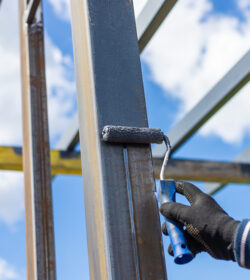
Metal surfaces heat up quickly under sunlight. Heat reflective paint for metal can help reflect solar radiation and slow temperature rise, making it suitable for industrial roofs, containers, and metal cladding commonly used in Singapore’s commercial and industrial sectors.
The Limitation of Heat Reflective Paint Alone
While heat reflective paint performs well under direct sunlight, it has several limitations:
-
Reduced effectiveness once heat is absorbed
-
Limited impact on shaded or partially shaded walls
-
Does not actively release stored heat from concrete or structural materials
-
Heat can still radiate indoors after peak sun hours
For buildings in tropical climates, reflection alone may not be enough to deliver sustained cooling performance.

Why Heat Dissipating Paint Offers a Better Solution
Heat dissipating paint, such as NeoCOAT, goes beyond reflection by actively releasing absorbed heat into the surrounding air. This prevents heat buildup within walls, concrete, and metal surfaces.
Compared to conventional reflective paint Singapore options, heat dissipating paint:
-
Reduces heat retention even after prolonged exposure
-
Maintains more stable surface temperatures throughout the day
-
Improves indoor comfort beyond peak sunlight hours
-
Supports lower cooling demand and energy efficiency
This makes it especially suitable for buildings exposed to continuous heat and humidity.
Key Differences: Heat Reflective Paint vs Heat Dissipating Paint
| Performance Aspect | Heat Reflective Paint | Heat Dissipating Paint (NeoCOAT) |
|---|---|---|
| Primary Function | Reflects solar heat | Turns heat energy to kinetic energy |
| Effect after heat absorption | Limited | Highly effective |
| Performance on walls & concrete | Moderate | Strong |
| Indoor comfort improvement | Short-term | Sustained |
| Suitability for tropical climates | Partial | Ideal |
A Smarter Alternative to Heat Reflective Paint in Singapore
When choosing the best solar reflective paint, it’s important to look beyond initial heat reflection. While heat reflective paint for exterior walls, interior walls, concrete, and metal helps reduce surface heat, it does not prevent long-term heat retention in tropical climates.
NeoCOAT by Delta Sirius goes further by actively dissipating absorbed heat, delivering more consistent cooling, improved comfort, and better building performance than traditional reflective paint Singapore solutions.
Frequently Asked Questions
Heat reflective paint helps significantly reduce heat absorption, lower indoor temperatures, and extend the lifespan of your building surfaces. With advanced formulations like NeoCoat, the coating not only reflects solar radiation but also sheds built-up heat, keeping structures cooler even under Singapore’s intense tropical sun. This leads to reduced AC load, better comfort, and long-term protection from UV, rain, and humidity.
Exterior walls are constantly exposed to high solar radiation and humidity. This helps prevent heat buildup, surface cracking, fading, and moisture-related wear. With high-performance coatings, your façade can stay cooler by up to 15°C, which translates to better energy efficiency and reduced strain on cooling systems – crucial for Singapore’s year-round heat.
Yes. While exterior applications deliver maximum thermal benefits, heat reflective paint can also help regulate indoor temperatures by reducing heat transfer from sun-exposed walls. When paired with an exterior reflective coating system, interior coatings enhance overall thermal performance, creating a more comfortable, energy-efficient indoor environment.
Absolutely. Concrete surfaces, especially rooftops, often hit extreme temperatures exceeding 70°C under direct sunlight. Heat reflective paint helps reduce surface heat, limit structural stress, and prevent surface degradation. NeoCoat’s heat-shedding technology offers additional thermal control, making it ideal for concrete roofs, parapet walls, and infrastructure projects.
Metal surfaces heat up rapidly and transfer heat efficiently – leading to uncomfortable indoor spaces and accelerated material expansion. This helps stabilize temperatures, prevent corrosion, reduce thermal shock, and improve energy savings. With proper surface preparation and priming, these coatings deliver durable performance even in harsh industrial settings.